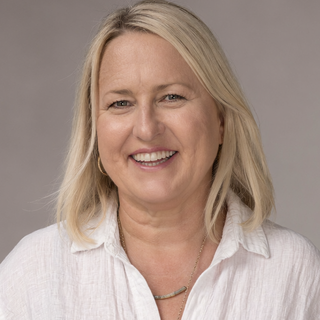
Angela Schellenberg
Mother Hunger® is the deep, ongoing longing for the nurturance, protection, and guidance a mother is meant to provide. The term was coined by therapist Kelly McDaniel to name what happens when a daughter grows up without consistent maternal care. It is not weakness or ingratitude. It is an attachment wound, and it is healable.
A note on credit: Mother Hunger® is a term and framework created by therapist Kelly McDaniel, author of Mother Hunger® (2021) and Ready to Heal. This article explains her concept in my own words, with deep gratitude for her work. Learn more directly from Kelly at kellymcdanieltherapy.com.
If you have spent your life feeling a quiet ache you could never quite name, this may be the page that finally gives it language. So many of the women I work with arrive carrying it. They are capable, kind, often the one everyone else leans on. And underneath all of that competence is a hunger that food never touches and achievement never fills. A hunger for the mother they needed and did not fully have.
This is Mother Hunger®. And naming it is the beginning of healing it.
What is Mother Hunger®, really?
Mother Hunger® is the term coined by therapist Kelly McDaniel in her book of the same name. It describes the specific grief and longing that develops when a daughter does not receive enough of three essential things from her mother: nurturance, protection, and guidance.
It is not the same as having a "bad mom." Many women with Mother Hunger® had mothers who were present, well-meaning, even loving in the ways they knew how. The wound is not about blame. It is about what was missing in the nervous system of a child who needed steady, attuned care and did not consistently get it. Your body kept the record, even when your mind made excuses.
What are the signs of Mother Hunger®?
Mother Hunger® rarely announces itself. It hides inside traits the world tends to praise. You might recognize it in some of these:
- A persistent ache for closeness, alongside a fear of needing anyone too much
- Becoming the strong one, the responsible one, the caretaker, long before you were ready
- Looking for mothering in partners, friends, mentors, and feeling let down when they cannot fill it
- Difficulty trusting that love will stay, even when it is right in front of you
- Grief that rises at milestones, weddings, births, ordinary Tuesdays, even if your mother is still living
- A deep sensitivity to other people's mothers being warm to you, and not knowing why it stings
If you read that list and felt something tighten in your chest, that recognition is not a problem to fix. It is information. It is your body telling you the truth about what it has been carrying.
What causes Mother Hunger®?
Mother Hunger® forms when one or more of the three pillars of early attachment is missing or inconsistent. McDaniel names them clearly:
Nurturance
The warmth, affection, and emotional attunement that tells a child she is delighted in. When nurturance is thin, a daughter learns that her needs are a burden, and she becomes an expert at not having any.
Protection
The felt sense that someone bigger and steadier has you, that the world is safe because she is between you and it. Without it, a child often grows up vigilant, tense, scanning for danger she should never have had to track.
Guidance
The mentoring presence that shows a daughter how to be a woman in the world. When it is absent, she pieces it together alone, from books, from other women, from trial and error, and carries a quiet sense of having missed the instructions everyone else seemed to get.
Is Mother Hunger® the same as grief?
It is a form of grief, but a particular kind. Most grief has a clear loss at its center: a person died, a relationship ended. Mother Hunger® is the grief of something that never fully existed in the first place. There is no funeral for the mother you needed but did not have. The loss is real, but the world rarely recognizes it, which is why it so often goes unmourned.
And here is what the research has been saying for decades: the attachment bond with a mother is one of the first systems that regulates a developing nervous system. Drawing on the work of attachment researchers like John Bowlby, we now understand that the loss or absence of that bond is registered by the body as a threat to survival, not simply a sad memory. That is why Mother Hunger® lives in the body, and why understanding it intellectually has never been enough to make it stop.
Can you heal from Mother Hunger®?
Yes. This is the part I want you to hold onto. Mother Hunger® is an attachment wound, and attachment wounds are healable, at any age. Healing does not mean erasing the longing or pretending the past was fine. It means metabolizing it.
In my work with women, healing tends to move through a few honest stages: first, naming the wound so it stops running the show from the shadows. Then grieving what was actually missed, out loud, without minimizing it. And finally, slowly, building new experiences of safe and consistent care, in relationships, in community, and in the relationship you learn to have with yourself. Modalities like EMDR and somatic, attachment-informed therapy can help the body, not just the mind, finally take in the message it never got: you were always worth showing up for.
You do not have to keep carrying this alone, and you do not have to keep pretending it was nothing. It was not nothing. It was the thing underneath everything.
Frequently asked questions
Is Mother Hunger® a diagnosis?
No. Mother Hunger® is not a clinical diagnosis in the DSM. It is a framework, coined by Kelly McDaniel, that gives language to a real and widely felt experience rooted in attachment science.
Can you have Mother Hunger® if your mother is still alive?
Yes. Mother Hunger® is about the care that was missing, not whether your mother is living. This is sometimes called living loss.
Can men experience Mother Hunger®?
The framework was developed primarily around the mother and daughter relationship, but the underlying attachment wounds can affect anyone who lacked consistent nurturance, protection, and guidance.
Where Mother Hunger® meets grief and loss
Naming Mother Hunger® is often where the work begins, not where it ends. Most women who find this framework are also carrying a mother's death, an estrangement, or a loss that came without warning. These are the places I would point you next.
- Mother Hunger® after your mother dies: grieving the mother you had and the one you needed
- Grief, Trauma & Your Mama podcast: conversations about grief, trauma and the relationship with your mom
- Attachment-Focused EMDR: online sessions for the attachment wound underneath the grief
- The No Goodbye journal: for when she died suddenly, or before anything was repaired
- Grief after a sudden or traumatic death: why the body stays braced, and what helps
Mother Hunger® is a framework created by Kelly McDaniel. Copyright Kelly McDaniel, Mother Hunger® and kellymcdanieltherapy.com, All rights reserved.
A note now and then
I write a short note most weeks on grief, attachment, and the relationship you have with your mom. Low volume. Nothing here requires action.
Keep reading
Mother Hunger® after your mother dies: grieving the mother you had and the one you needed
How do you grieve a mother who is still alive?
How do you grieve a narcissistic mother?
Working together
The Mother Hunger® 8-week live course
If this named something for you, the live course runs each autumn in a small group. I teach it as a trained Mother Hunger® Facilitator, taught by Kelly McDaniel, in the framework she created. It is live only, never recorded. Pay in full or across three months.
Angela Schellenberg
Angela is a licensed trauma and grief therapist, attachment-focused EMDR specialist, and trained Mother Hunger® Facilitator (a framework created by Kelly McDaniel). She hosts the Grief, Trauma & Your Mama™ podcast and leads EMDR intensives and equine-assisted retreats at Shakti Ranch in Malibu. Licensed in California, Washington, Arizona, and Florida. Work with Angela →